
Make the sample request answerable
Provide feed source, equipment, current product, measured dose, preparation and the desired result. State whether the priority is capture, cake condition, flotation, handling or another defined outcome. Include difficult operating conditions when they recur regularly.
Ask the supplier to explain the proposed sample differences. An unexplained assortment of products makes it harder to learn from the trial and can consume more plant time than a focused comparison.
Keep an identity chain
Label each sample with code and batch. Transfer that identity to the preparation sheet, bench result and plant-trial record. Preserve the preparation method and dose basis as well as the selected product name.
Retain an approved comparison sample under appropriate storage where practical. If response changes on the first shipment, that material can help distinguish a product issue from new feed or preparation conditions.
Review documents before the purchase decision
Request product-specific TDS and SDS, the COA format and relevant test methods. Confirm active-content definitions used in comparisons. Treat claims about regulated applications as separate verification questions, not automatic properties of every CPAM product.
Record which requirements are critical and which are preferences. Product identity, usable handling instructions and an acceptable application result should not be traded away for a small unit-price difference.
Put the approved condition into the quotation
Name the code, product form, quantity, packaging, destination, required documents and delivery timing. Clarify commercial terms directly with the supplier. Include any agreed change-notification or receiving-test process.
Compare delivered consumption and plant outcome rather than laboratory floc size. When two products give equivalent accepted performance, preparation burden, documentation and supply execution may distinguish their practical value.
Release the shipment deliberately
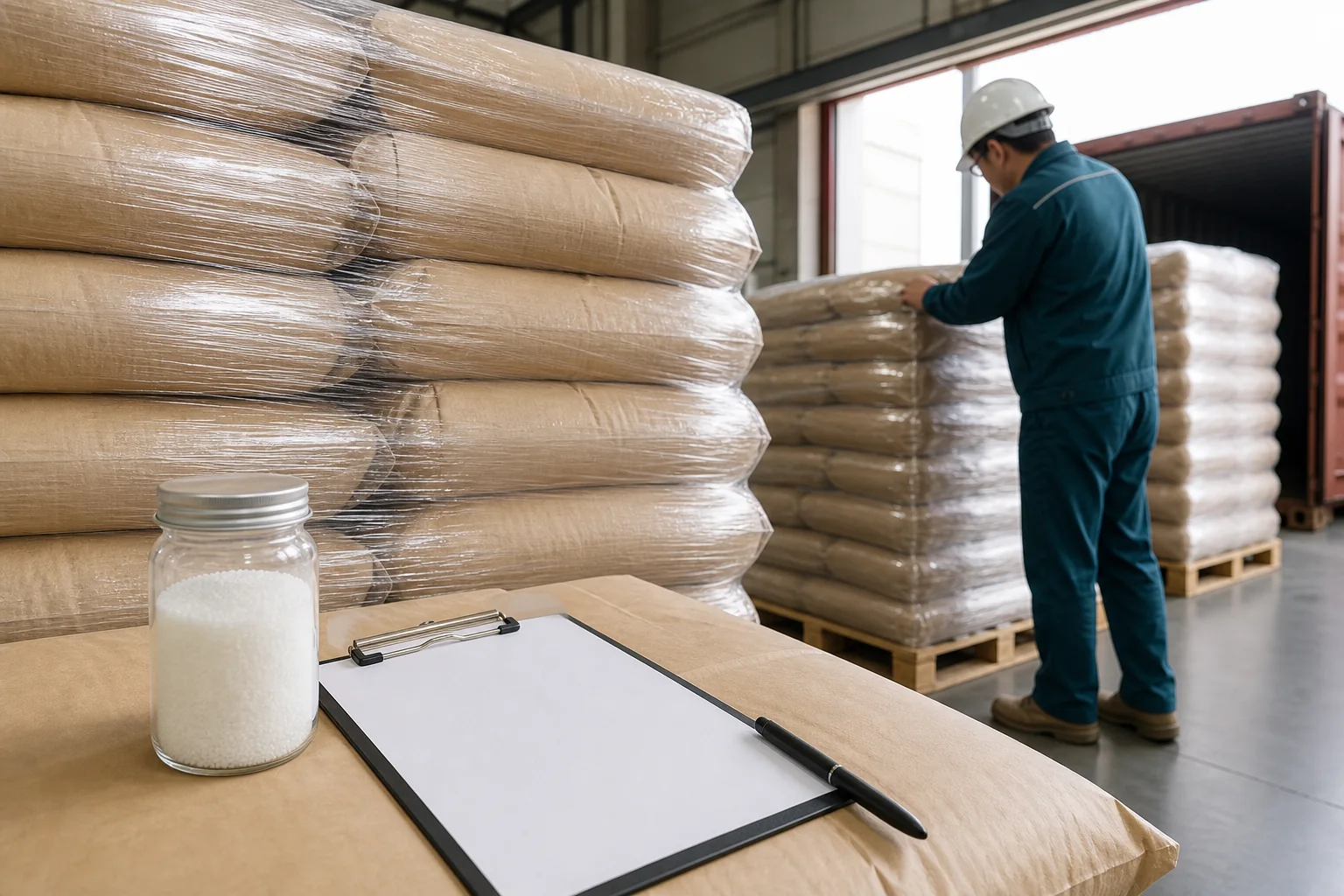
Check package condition, labels, batch and documents on arrival. Use the agreed preparation and application check where required. Keep suspect or damaged material separate until it has been reviewed through the plant’s normal process.
If the first load behaves differently, repeat the test on current feed using retained and incoming samples under identical preparation. Preserve the evidence and contact the supplier with both records. The quality-control requirements and sample and quotation request keep the technical and commercial handover connected.
Related purchase decisions
- CPAM Retention Aid for Papermaking: Grade-Purchase Requirements — Qualify cationic polyacrylamide retention-aid supply using furnish chemistry, shear sequence, retention, drainage, formation and sheet acceptance.
- CPAM COA and First-Delivery Acceptance: Match the Approved Grade — Review cationic polymer COA methods, TDS and SDS scope, sample identity, packaging and repeatable receiving checks before releasing a shipment.
- CPAM Trial Shipments: Agree Plant Acceptance Before Dispatch — Plan cationic polymer trial quantity, operating duration, benchmark stock, measurements and release decisions before moving to a bulk order.
- Second-Source CPAM: Qualify a Dewatering Replacement — Compare a second cationic polymer source with retained benchmark material, aligned specifications, controlled trials and explicit substitution limits.
- CPAM Bulk Supply Agreements: Control Storage, Lots and Changes — Specify repeat cationic polymer orders with approved code, demand forecast, packaging, storage instructions, receiving documents and change review.