
XINQI / CATIONIC POLYACRYLAMIDE
Cationic Polyacrylamide Articles and Buying Guides
Make a clearer product decision with the right measurements.
Operating foundations
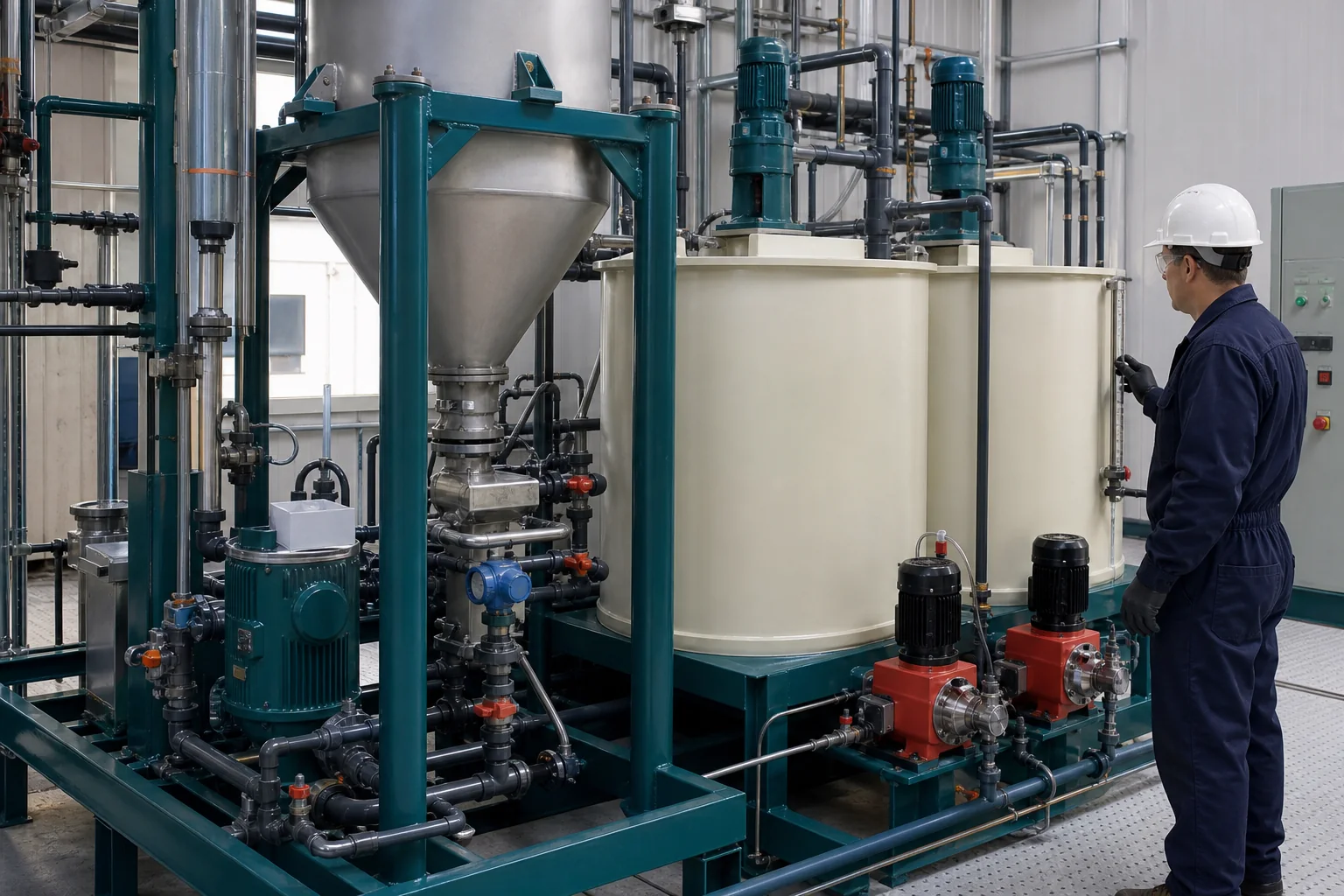
Cationic Polyacrylamide Powder vs Emulsion
Compare CPAM powder and emulsion through active mass, preparation capacity, pump calibration and a controlled product-replacement trial.
Explore ↗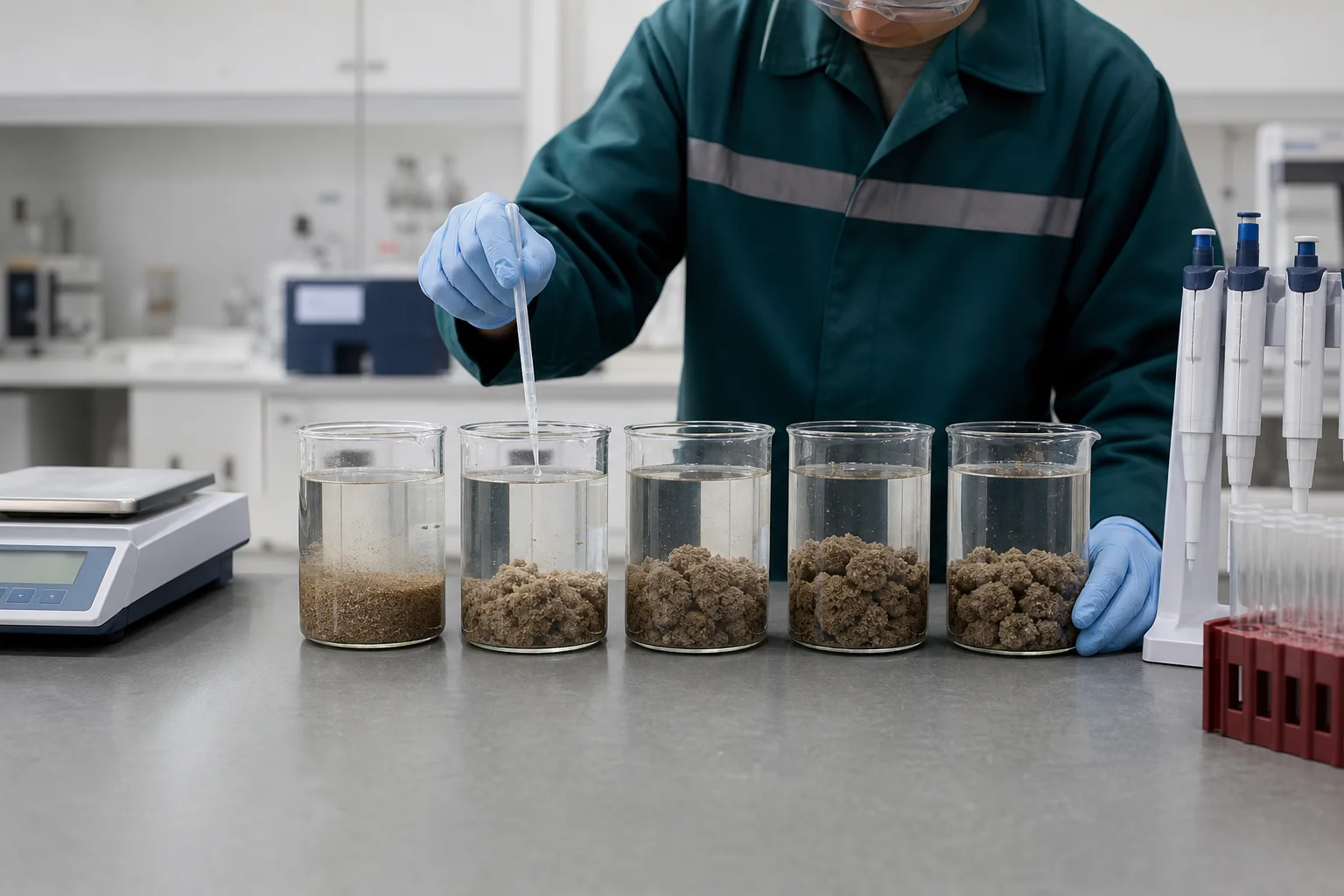
CPAM Charge Density for Digested Sludge
Select a CPAM charge range for digested sludge through representative sampling, controlled chemistry, dose curves and dewatering results.
Explore ↗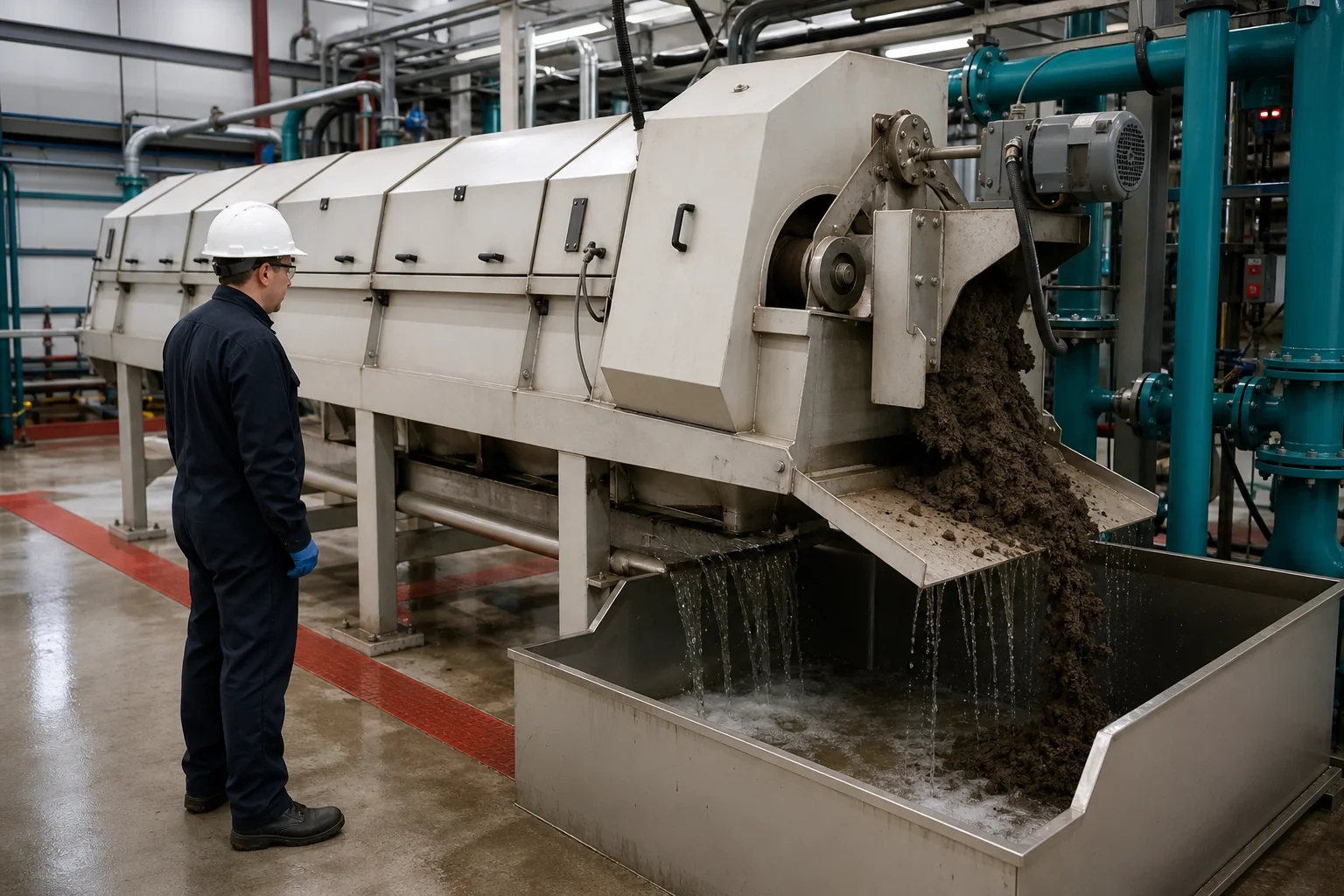
CPAM Dosage: Calculate kg per Dry Tonne
Calculate cationic polymer consumption per dry tonne from feed flow, solids and product mass, with active-content and solution-flow checks.
Explore ↗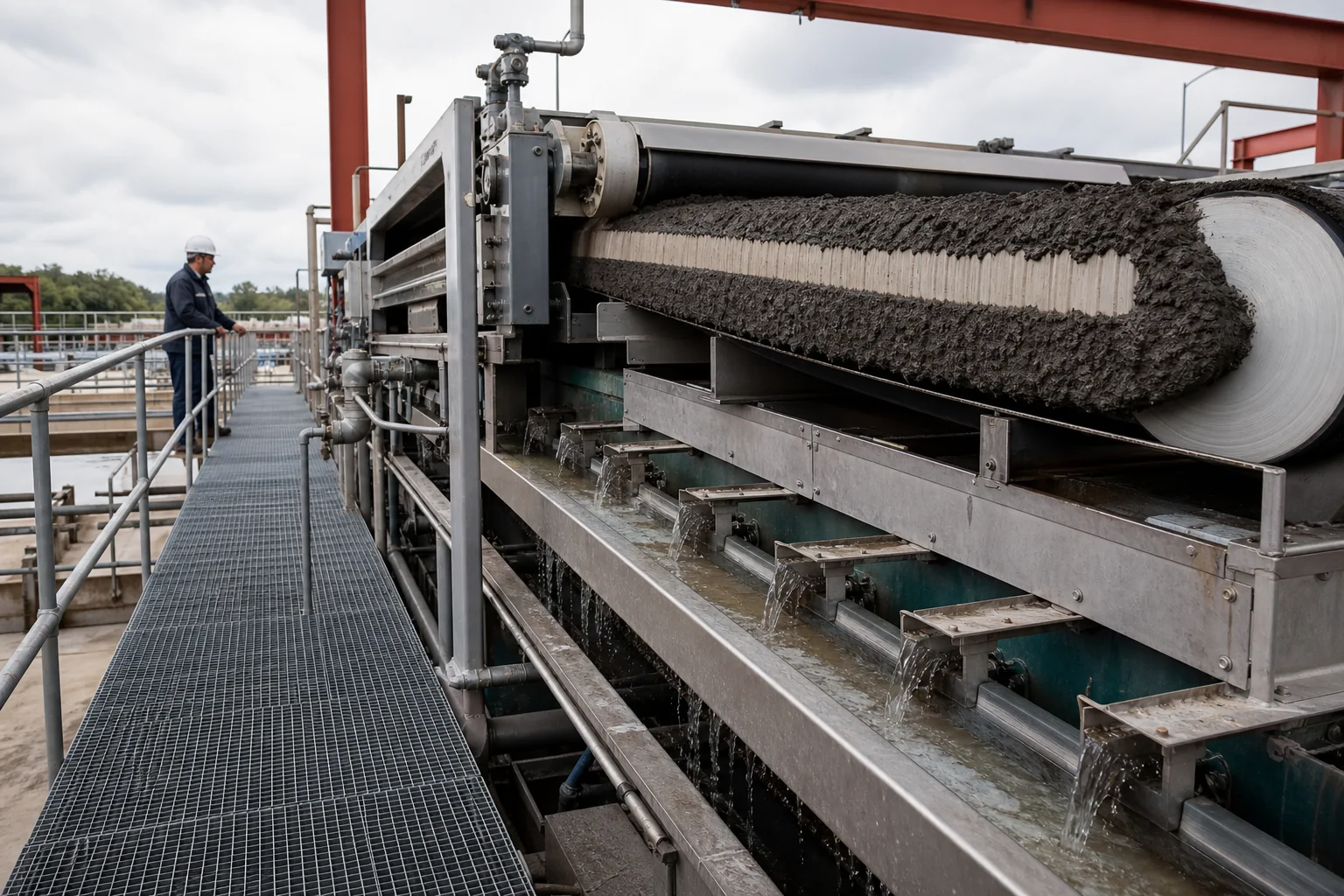
Wet Sludge Cake: Check CPAM Before Raising Dose
Diagnose wet sludge cake by checking feed solids, prepared polymer, dosing delivery, capture and machine conditions before changing the grade.
Explore ↗CPAM Solution Aging and Shift-to-Shift Consistency
Control prepared CPAM solution age, stock concentration, tank turnover and delivery to explain treatment changes between operating shifts.
Explore ↗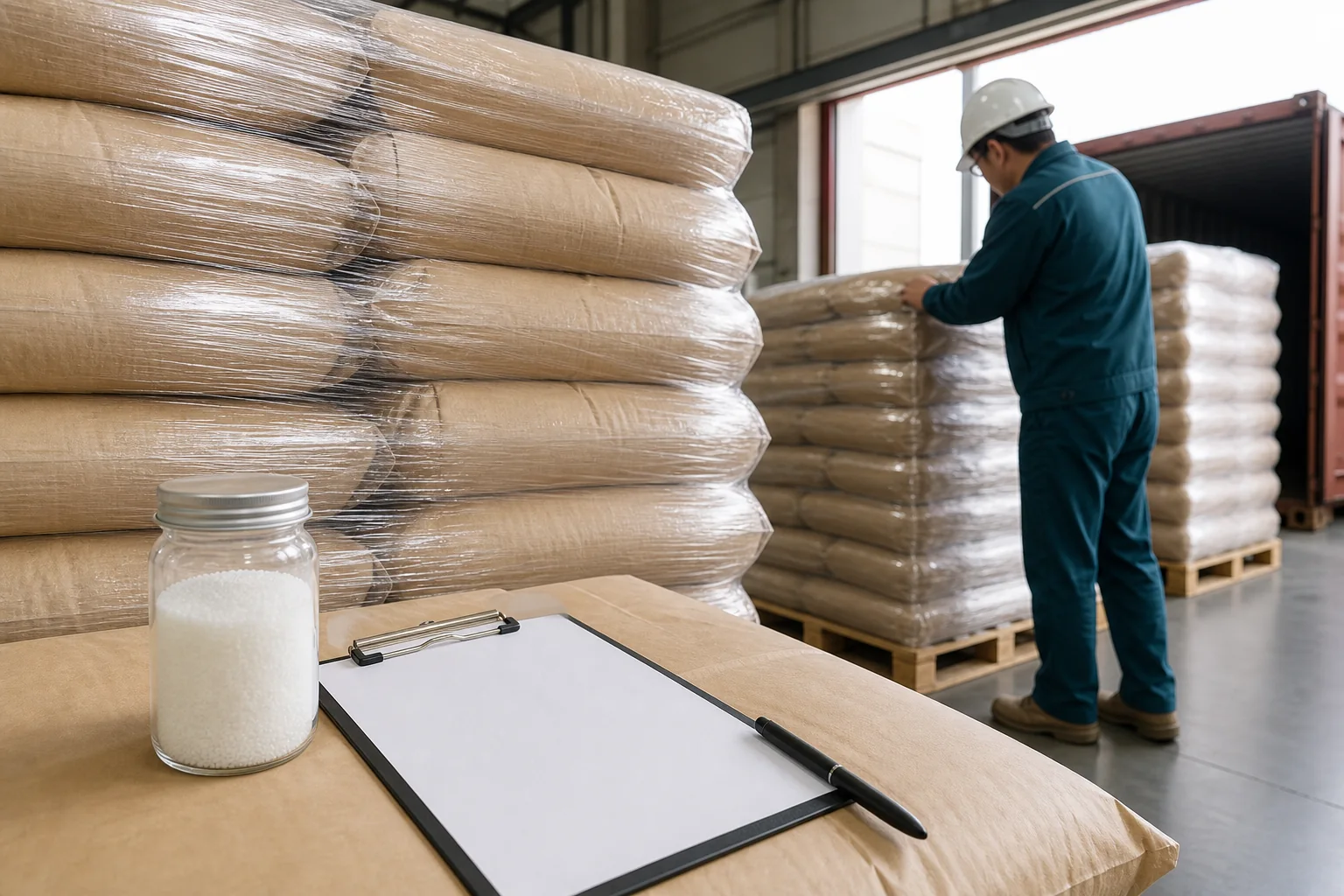
CPAM Supplier Checklist: From Sample to Shipment
Qualify a cationic polyacrylamide supplier with traceable samples, repeatable preparation, application acceptance and a documented shipment handover.
Explore ↗Grade and preparation
High-Charge Cationic Polyacrylamide: Purchase Specification
Qualify high-charge CPAM offers with comparable charge methods, defined sludge, controlled preparation and equipment-specific acceptance.
Explore ↗CPAM Molecular Weight and Viscosity: Compare Supplier Quotes
Align cationic polymer molecular and viscosity descriptions with stated test conditions, preparation capacity and measured separator response.
Explore ↗CPAM Powder for Existing Feeders: Specify Particle Distribution
Buy cationic polyacrylamide powder against actual feeder output, wetting, hydration and handling instead of a nominal mesh label.
Explore ↗CPAM Emulsion in IBCs: Compare Active Content and Density
Specify cationic polymer emulsion quotes with code, active basis, density, activation requirements, IBC handling and delivered treatment cost.
Explore ↗CPAM for Cold Preparation Water: Check Usable Stock Capacity
Qualify cationic polymer supply for winter preparation using product instructions, maturation, working volume, viscosity and peak process demand.
Explore ↗Equipment approval
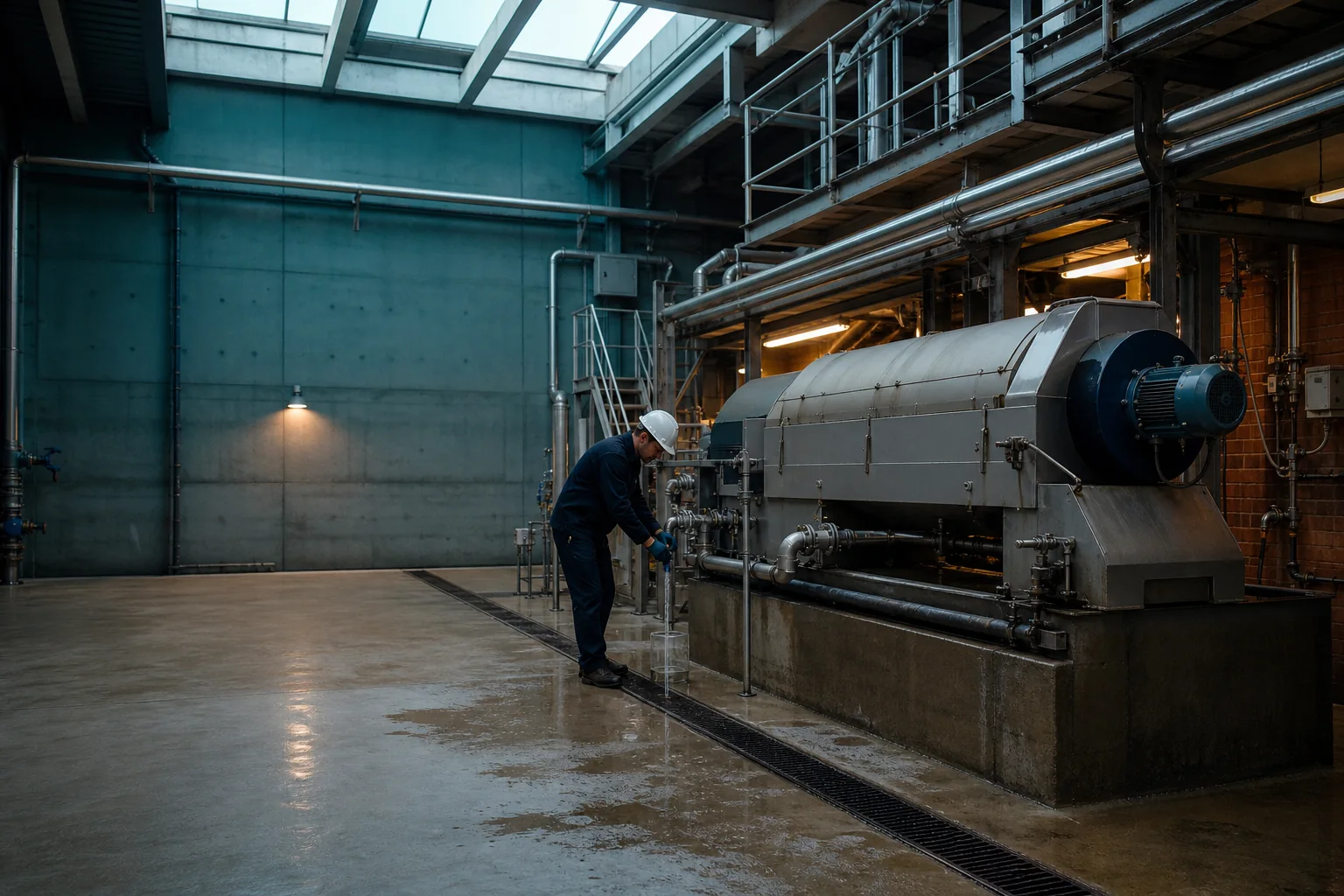
CPAM for Digested-Sludge Centrifuges: Prepare a Trial RFQ
Request centrifuge polymer trials with digested-sludge identity, dry-solids load, centrate, cake, preparation and stable machine settings.
Explore ↗CPAM for Belt Presses: Buy Against Drainage, Capture and Release
Qualify cationic polymer for activated-sludge belt pressing with free drainage, side losses, filtrate, cake release and repeatable plant consumption.
Explore ↗CPAM for Screw Presses: Qualify Mixed-Sludge Supply
Specify screw-press polymer trials using sludge blend changes, loading, filtrate solids, cake handling and prepared-solution continuity.
Explore ↗CPAM for Industrial Sludge Filter Presses: Buying Checklist
Compare cationic polymer offers for industrial biological sludge filtration against filtrate, cake, cycle time and media handling.
Explore ↗Industrial and paper duties
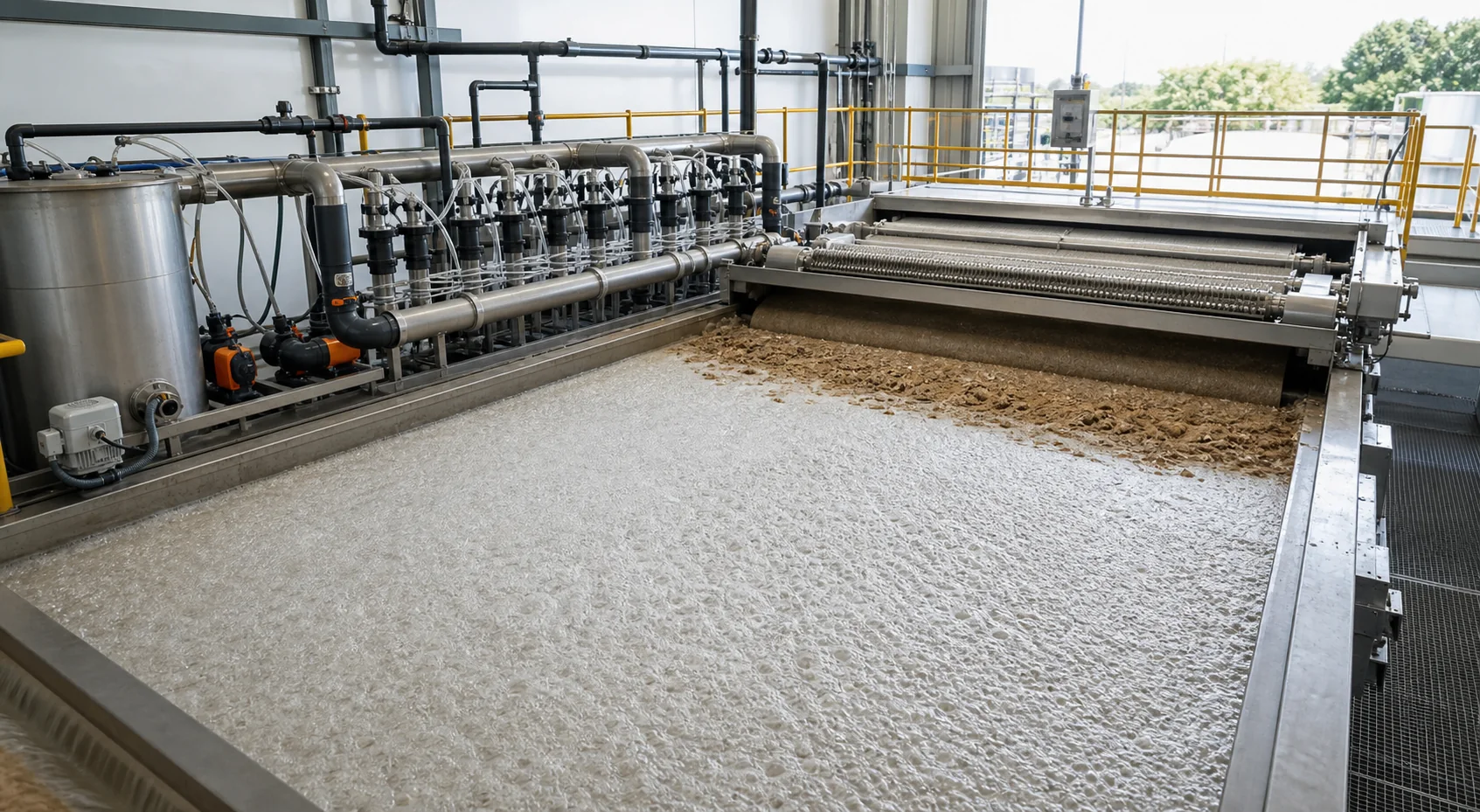
CPAM for Food-Processing DAF: Specify a Flotation Trial
Buy cationic polymer for food-process flotation using batch identity, fats and solids, coagulant controls, float stability and treated-water targets.
Explore ↗CPAM for Dairy DAF Float: Buy for the Second Dewatering Duty
Qualify cationic polymer for dairy flotation sludge separately from the DAF program using actual float age, composition, filtrate and cake handling.
Explore ↗CPAM for Slaughterhouse Sludge: Build a Representative RFQ
Request cationic polymer trials with slaughterhouse sludge sources, flotation and biological blends, storage, capture and disposal acceptance.
Explore ↗CPAM for Paper-Mill Biological Sludge: Define Repeat-Supply Limits
Qualify cationic polymer for paper-mill sludge with biological and fiber blends, filler changes, preparation, dewatering and documented grade control.
Explore ↗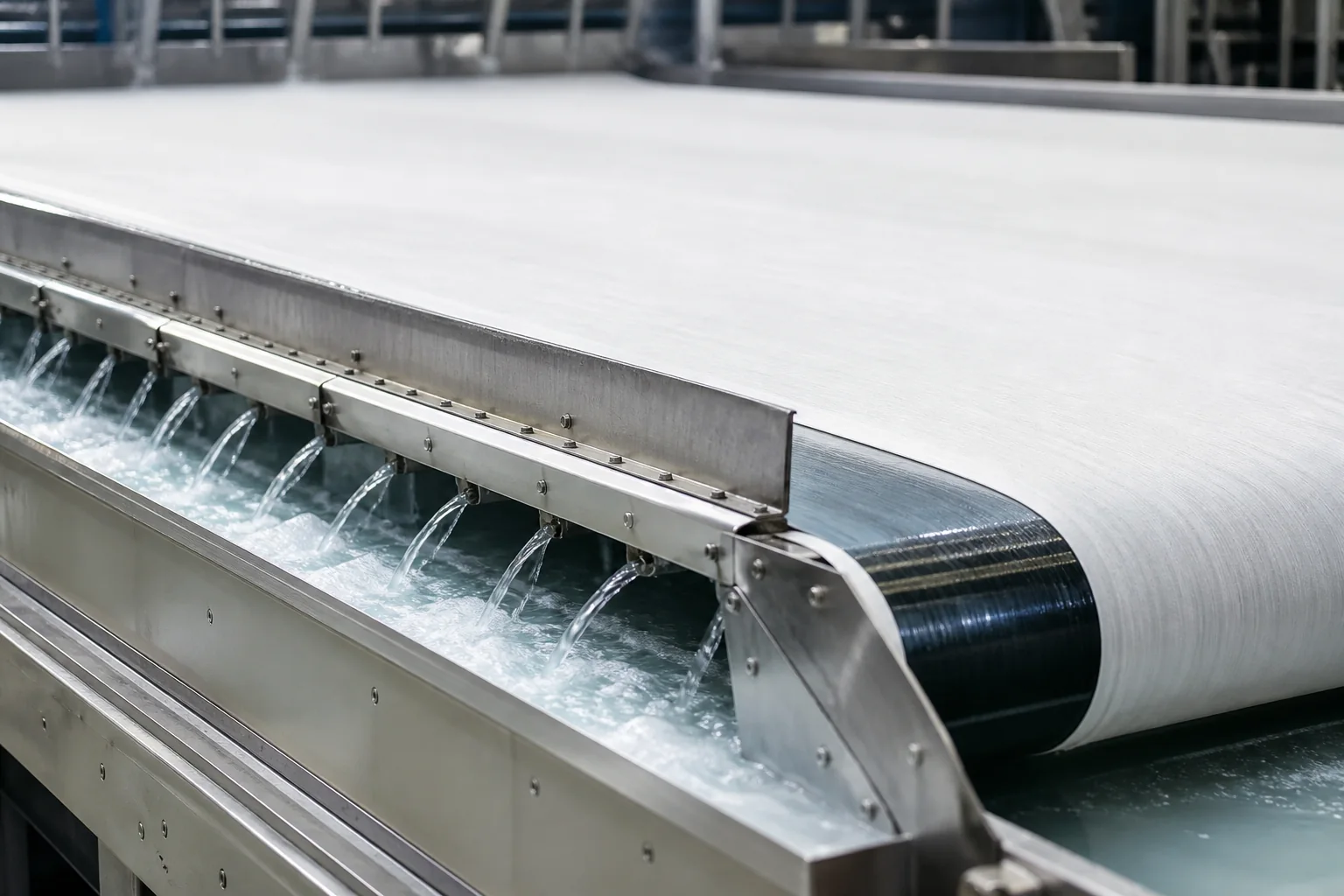
CPAM Retention Aid for Papermaking: Grade-Purchase Requirements
Qualify cationic polyacrylamide retention-aid supply using furnish chemistry, shear sequence, retention, drainage, formation and sheet acceptance.
Explore ↗CPAM After Ferric Conditioning: Qualify the Sludge Before Buying
Specify cationic polymer trials after ferric treatment with fixed upstream chemistry, defined inorganic and biological solids, capture and cake checks.
Explore ↗Price and supply
Cationic Polyacrylamide Price: Compare Capture and Cake Cost
Compare CPAM quotations at accepted solids capture and cake handling, including delivered consumption, preparation and wet-sludge transport.
Explore ↗CPAM COA and First-Delivery Acceptance: Match the Approved Grade
Review cationic polymer COA methods, TDS and SDS scope, sample identity, packaging and repeatable receiving checks before releasing a shipment.
Explore ↗CPAM Trial Shipments: Agree Plant Acceptance Before Dispatch
Plan cationic polymer trial quantity, operating duration, benchmark stock, measurements and release decisions before moving to a bulk order.
Explore ↗Second-Source CPAM: Qualify a Dewatering Replacement
Compare a second cationic polymer source with retained benchmark material, aligned specifications, controlled trials and explicit substitution limits.
Explore ↗CPAM Bulk Supply Agreements: Control Storage, Lots and Changes
Specify repeat cationic polymer orders with approved code, demand forecast, packaging, storage instructions, receiving documents and change review.
Explore ↗