
Ask for the actual size definition
Request sieve standard, test method and distribution, including fines and oversized material where relevant. Confirm whether the proposed values are guaranteed or typical.
Particle size alone does not describe moisture, flow or dust behavior. A finer powder may wet differently but can also create handling difficulties in an unsuitable feeder. Coarser particles can alter the required hydration allowance.
Describe the full powder route
Provide packaging, discharge station, hopper, feeder type, calibrated operating range, wetting device and water flow. Record humidity and water temperature during normal and difficult shifts.
Check turndown as well as peak delivery. Weighed powder output over a useful period is more informative than a motor-speed setting. Record pulsing, bridging, buildup and manual intervention.
Approve usable stock
Keep concentration, preparation water, agitation and age consistent during a comparison. Check fisheyes and deposits, then test the stock on representative sludge.
Fast visual wetting is not proof of full hydration or treatment response. The preparation-age record helps separate induction, maturation and delivery failures. Reject a comparison based on an unknown mix of old and fresh stock.
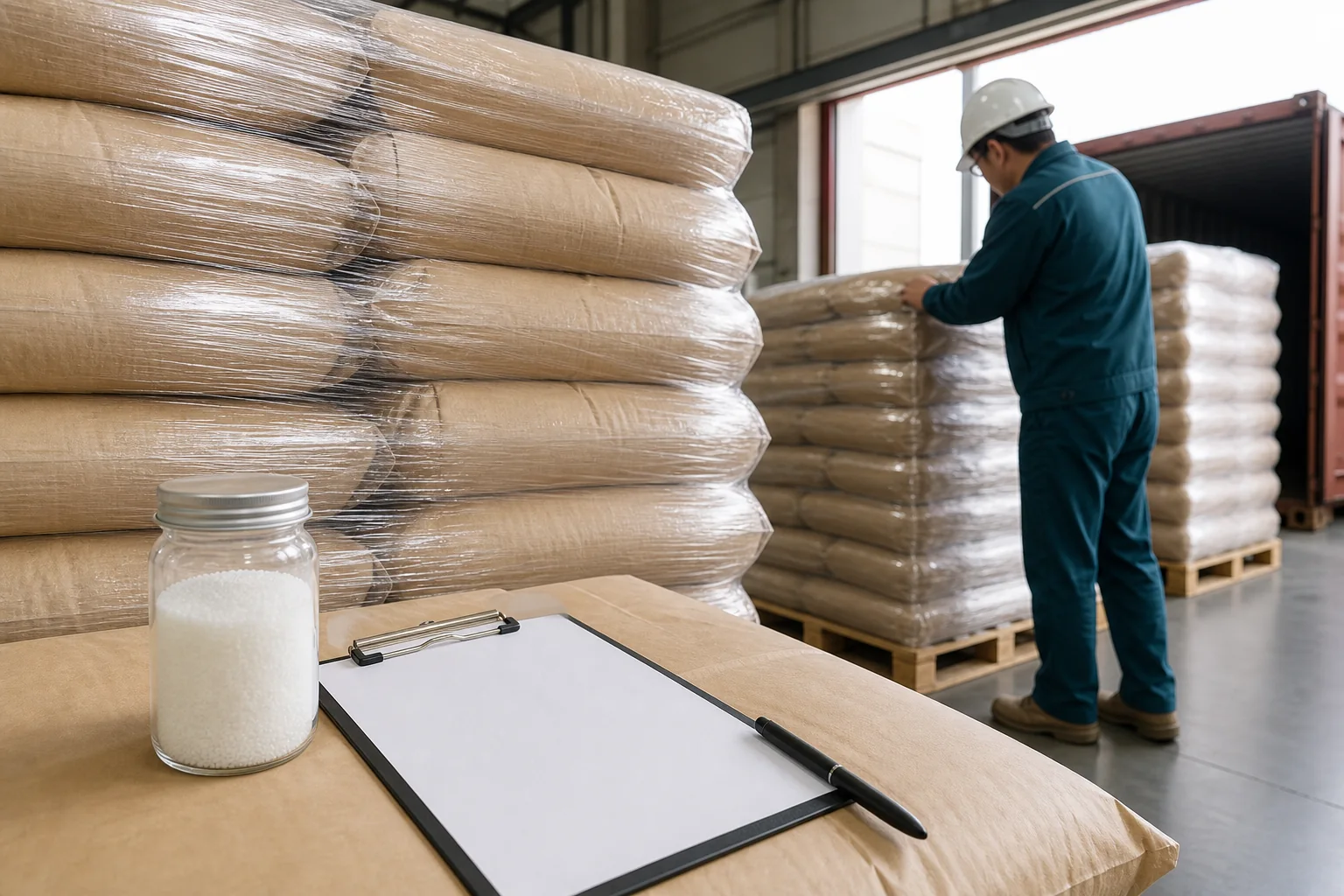
Test representative packaging
A laboratory sample may not experience the compression, opening and humid exposure of production packages. Ask whether a commercial handling trial is needed before moving to larger bags.
Retain approved material and compare incoming lots under the same method. If preparation changes, check powder mass, water rate and equipment condition before attributing the difference to particle distribution alone.
Translate the constraint into the order
Agree relevant distribution, packaging, preparation standard and acceptable feeder behavior with the supplier. Keep separation acceptance independent: smooth hopper flow does not prove the grade conditions sludge correctly.
Attach equipment details and demand to the CPAM powder compatibility request. A useful offer identifies both the qualified product and any operating changes needed; purchasing more powder cannot correct a preparation bottleneck.
A feeder trial sheet for the quoted powder
At representative low and normal settings, record starting and finishing powder mass, elapsed time, actual water quantity and any interruption. Keep feeder calibration separate from a motor-speed percentage. Add package condition, ambient moisture exposure and wetting-device observations to the same sheet.
Label the stock produced during each run and test it at a documented usable age. Record whether deposits or fisheyes occurred and whether the application endpoint passed. A smooth average powder rate can conceal bursts that create poorly prepared material; a successful receiving check therefore connects discharge behavior to the stock actually delivered to the sludge.